
Have you ever spent an entire day worrying about something that has not even happened? Perhaps you are thinking about your career, financial stability, relationships, personal goals, or whether the decisions you are making today will lead you towards a better future. You may be physically present in the moment, but your mind is already imagining everything that could go wrong tomorrow.
This habit can make life feel exhausting. You try to prepare for every possibility, replay conversations, predict other people’s reactions, and search for reassurance that everything will eventually work out. Yet, the more you try to control the future, the more uncertain you may feel.
What if you could approach life differently?
What if you could prepare for tomorrow without sacrificing your peace today?
That is where a Blueprint for Peace begins. It is not about pretending that life will always be perfect or convincing yourself that difficult situations will never happen. It is about developing a healthier relationship with uncertainty, recognising unhelpful thinking patterns, and learning to respond to life’s challenges with greater confidence.
At Sunshine Your Mindset, we believe that meaningful personal growth begins with the way you think, respond, and treat yourself. Through practical mindset coaching and neuroplasticity-inspired habits, you can gradually develop new ways of thinking that support emotional balance and personal growth.
Your Blueprint for Peace can help you stop giving every possible future problem control over your present life. Let’s explore how.
What Is a Blueprint for Peace?
A Blueprint for Peace is a personal guide to developing a calmer, healthier, and more balanced mindset. It involves understanding your thoughts, recognising emotional triggers, and creating habits that help you respond to uncertainty instead of constantly fighting it.
Think of it as a plan for how you want to treat yourself when life does not go according to your expectations.
For example, imagine that you are waiting for an important job decision. You have attended the interview, answered the questions, and done everything you reasonably could. However, instead of enjoying your day, you spend hours wondering whether you will be selected.
You imagine rejection, question your answers, and compare yourself with other candidates.
A Blueprint for Peace reminds you that you have already completed the part that was within your control. You can prepare for another opportunity, continue developing your skills, and take care of yourself while waiting for the result.
You do not need to solve an uncertain situation repeatedly to prove that you care about your future.
A Blueprint for Peace also helps you understand that peace is not a reward you receive after achieving every goal. You can experience moments of calm while you are still learning, growing, and figuring things out.
Why Does Anxiety About the Future Feel So Overwhelming?
The future is uncertain, and uncertainty can make us uncomfortable. We naturally want to know what will happen, especially when something important is at stake.
However, there is a difference between preparing for a possibility and spending every day mentally living through it.
Understanding why you worry can help you build a more useful Blueprint for Peace.
1. You Try to Control Every Outcome
When something matters to you, you naturally want it to work out. But sometimes that desire becomes an attempt to control every detail.
You may feel uncomfortable when plans change, become frustrated when people behave unexpectedly, or struggle to make decisions without knowing exactly what will happen.
A Blueprint for Peace teaches you that preparation is helpful, but controlling every possible outcome is impossible.
You can make thoughtful decisions without demanding guarantees from life.
2. You Imagine Problems Before They Exist
Anxiety can make imagined situations feel like present realities.
You might worry about losing your job before receiving any negative feedback. You may imagine a relationship ending after a small disagreement or assume that a new opportunity will fail before you have even tried.
This is why a Blueprint for Peace encourages you to separate facts from fears.
Ask yourself whether you are responding to something that is happening right now or something you are imagining might happen.
That simple distinction can help you avoid giving unnecessary power to frightening possibilities.
3. You Struggle to Trust Yourself
Fear of the future can become stronger when you doubt your ability to handle unexpected situations.
You may believe that one wrong decision could ruin everything. As a result, you repeatedly seek reassurance, delay important choices, or question decisions you have already made.
A strong Blueprint for Peace includes developing self-trust.
You do not need to know every answer today. You need to develop confidence in your ability to learn, adapt, and make your next decision when the time comes.
4. You Compare Your Timeline With Other People
Social media can make it seem as though everyone else has life figured out.
You see people getting promoted, starting businesses, travelling, buying homes, and reaching personal milestones. Suddenly, you begin questioning your own progress.
You may wonder whether you are behind or whether you should have achieved more by now.
Your Blueprint for Peace should remind you that someone else’s progress is not evidence of your failure.
You are allowed to develop at your own pace. Your circumstances, opportunities, responsibilities, and goals are different from theirs.

9 Powerful Ways to Create Your Blueprint for Peace
Developing a peaceful mindset does not require changing your entire personality or completely transforming your daily routine.
It begins with small, consistent choices.
The following nine practices can help you build a Blueprint for Peace that fits into your everyday life.
1. Bring Your Attention Back to Today
One of the most important parts of a Blueprint for Peace is learning to return your attention to the present.
When you constantly think about tomorrow, you miss the opportunities to experience today.
You might be enjoying dinner with your family while worrying about an upcoming responsibility. You may be spending time with friends but mentally reviewing a difficult conversation from work.
Your body is present, but your thoughts are somewhere else.
Start by asking yourself three simple questions:
- What needs my attention right now?
- Is there something useful I can do today?
- Am I worrying about something I cannot solve at this moment?
These questions can help you redirect your attention towards what is actually happening.
For example, if you are worried about an upcoming presentation, spend twenty minutes preparing your notes rather than spending the entire evening imagining yourself making mistakes.
A Blueprint for Peace becomes practical when you learn to give your attention to the task in front of you instead of every possible future scenario.
You can still have plans and ambitions. You simply do not need to mentally live through the next six months every morning.
2. Challenge Your Worst-Case Scenarios
An anxious mind can sometimes treat the worst possible outcome as though it is the most likely one.
You may think that one mistake will destroy your career or that one disagreement will end an important relationship.
Instead of automatically accepting these thoughts, learn to question them.
A useful Blueprint for Peace includes asking:
- What evidence supports this fear?
- Am I assuming something without knowing the facts?
- What are two other possible explanations?
- If the difficult situation happened, what could I do next?
Imagine that you send an important email and do not receive a reply immediately.
Your first thought might be that the other person is unhappy with you. However, they could be busy, travelling, or dealing with another responsibility.
You do not have enough information to decide what their silence means.
A Blueprint for Peace encourages balanced thinking rather than unrealistic positivity.
Instead of saying, “Everything will definitely go perfectly,” try saying, “I do not know exactly what will happen, but I can handle the information when I have it.”
That is a more realistic and supportive way to approach uncertainty.
3. Stop Treating Every Thought as a Fact
Your thoughts are influenced by your experiences, emotions, expectations, and habits. Just because a thought appears in your mind does not mean it is accurate.
For example, thinking “I will never succeed” does not make that statement true.
It may simply reflect disappointment, tiredness, or fear about a particular situation.
A Blueprint for Peace helps you create space between having a thought and believing it.
Try changing the way you describe your thoughts.
Instead of saying:
“I am going to fail.”
Say:
“I am having the thought that I might fail.”
The difference may seem small, but it reminds you that a thought is not a prediction.
You can then ask yourself whether the thought is useful, realistic, or supported by evidence.
Your Blueprint for Peace should not require you to fight every negative thought. You can notice a thought, understand where it might be coming from, and choose not to follow it.
With practice, this can help you become more intentional about your responses.

4. Build Small Habits That Support Emotional Calm
You do not need an elaborate wellness routine to develop a healthier mindset.
Small habits can create regular opportunities to slow down and reconnect with yourself.
Consider including these activities in your Blueprint for Peace:
- Spend five minutes writing down your thoughts.
- Take a short walk without constantly checking your phone.
- Practise comfortable, slow breathing.
- Make time for a quiet morning routine.
- Take breaks from stressful information.
- Write down three things that went well during your day.
- Give yourself enough time to rest.
These habits may appear ordinary, but consistency matters.
Imagine beginning every morning by immediately checking emails, messages, and social media. Before you have even started your day, your attention is already being pulled in several directions.
Now imagine beginning with a few quiet minutes, reviewing your priorities, and deciding what deserves your attention.
A Blueprint for Peace can help you create that difference.
Start with one habit that feels manageable. Practise it regularly before adding more activities.
Remember, a routine should support your life, not become another reason to criticise yourself.
5. Develop Self-Trust Instead of Searching for Constant Reassurance
When you feel uncertain, it can be tempting to ask other people whether you are making the right decision.
Advice and support are valuable. However, constantly depending on reassurance may make it harder to develop confidence in your own judgement.
A Blueprint for Peace encourages you to practise making decisions without repeatedly questioning yourself.
Begin with small choices.
Decide how you want to organise your day. Choose a personal goal. Express an opinion respectfully. Make a decision based on the information you currently have.
When something does not work out, focus on what you can learn.
For example, imagine that you try a new strategy at work and it does not produce the result you expected.
Instead of thinking, “I cannot make good decisions,” ask, “What did this experience teach me?”
Your Blueprint for Peace should help you understand that mistakes are experiences from which you can learn, not permanent labels describing your abilities.
Remind yourself:
“I may not always make the perfect decision, but I can learn from my choices.”
Self-trust does not mean believing that you will never struggle. It means knowing that you can support yourself when things become difficult.
6. Let Go of the Need to Have Everything Figured Out
Many people delay enjoying life because they believe they must first have a complete plan.
They want to know exactly where their career is going, when their goals will happen, how relationships will develop, and what every future decision should look like.
But life rarely provides that level of certainty.
A Blueprint for Peace teaches you that you can move forward without having every answer.
Instead of planning the next five years in detail, identify one meaningful step you can take this week.
For example, if you want to change careers, you do not need to know your entire professional future before beginning.
You could research a new field, develop a skill, update your CV, or speak with someone who works in that area.
As you gain experience, you will have more information to guide your next decision.
Your Blueprint for Peace should leave room for growth, adjustment, and unexpected opportunities.
You are allowed to change your direction when you learn something new.

7. Replace Self-Criticism With Self-Compassion
The way you speak to yourself can influence how you experience difficult situations.
When something goes wrong, do you immediately blame yourself? Do you call yourself careless, unsuccessful, or incapable?
You may believe that being hard on yourself will prevent future mistakes.
However, constant self-criticism can make an already difficult experience feel even heavier.
A healthier Blueprint for Peace includes developing a kinder inner voice.
Instead of saying:
“I always ruin everything.”
Try saying:
“This did not go the way I hoped, but I can understand what happened and decide what to do next.”
Self-compassion does not mean avoiding responsibility.
You can acknowledge a mistake, apologise when necessary, make improvements, and still treat yourself with respect.
A Blueprint for Peace should remind you that your worth is not determined by one disappointing experience.
You are a person who is learning, not a project that must be perfect.
8. Create Healthy Boundaries With Information and Other People
Your surroundings can influence how you feel about the future.
Constant exposure to alarming news, social media comparisons, negative conversations, and other people’s expectations can increase feelings of pressure.
You might begin comparing your achievements with someone else’s and wonder whether you are falling behind.
A Blueprint for Peace includes protecting your attention.
Try setting limits around activities that leave you feeling overwhelmed.
For example:
- Avoid checking social media immediately after waking up.
- Choose specific times to catch up on the news.
- Unfollow accounts that repeatedly make you feel inadequate.
- Take breaks from unnecessary online arguments.
- Practise saying no to commitments that do not fit your priorities.
Healthy boundaries are not about shutting everyone out.
They are about making room for the people, activities, and information that support your wellbeing.
Your Blueprint for Peace should help you recognise that protecting your time and energy is a reasonable part of personal growth.
9. Learn to Accept What You Cannot Control
This may be one of the most challenging parts of developing a peaceful mindset.
You cannot control every decision another person makes. You cannot guarantee that every opportunity will work out. You cannot prevent every unexpected change.
But you can influence your preparation, your choices, your boundaries, and the way you respond.
A Blueprint for Peace becomes stronger when you stop spending all your energy fighting situations outside your control.
Try dividing a worrying situation into two parts.
What I can influence:
- My preparation.
- My communication.
- My effort.
- My attitude.
- My next action.
What I cannot control:
- Other people’s reactions.
- Past events.
- Unexpected delays.
- Every possible outcome.
- Decisions made by other people.
Focus your energy on the first list.
For example, you cannot force someone to understand your point of view, but you can communicate clearly and respectfully.
You cannot guarantee that a business idea will succeed, but you can research, plan, learn, and make thoughtful decisions.
Your Blueprint for Peace is not about giving up on your goals. It is about recognising where your effort can make a difference.

How Neuroplasticity Can Help You Develop a Peaceful Mindset
Your brain is capable of adapting as you learn, practise, and experience new things. This ability is known as neuroplasticity.
In everyday language, it means that repeated experiences and habits can influence the way you respond to familiar situations.
Think about learning a new skill.
At first, the process may feel uncomfortable. You need to pay attention to every step, and you may make mistakes along the way.
With practice, the activity becomes more familiar.
Developing healthier thinking habits can involve a similar process.
For example, if you usually respond to uncertainty by imagining the worst, you can begin practising a different response.
You might pause, identify the thought, consider other possibilities, and choose one useful action.
At first, this may feel unnatural. You may find yourself returning to familiar worries.
That does not mean you have failed.
A Blueprint for Peace is built through repetition, not perfection. Each time you practise a healthier response, you give yourself another opportunity to strengthen a different habit.
Practise the Response You Want to Strengthen
Imagine that you receive an unexpected message from your manager.
Your immediate thought might be:
“Something terrible has happened. I must have made a mistake.”
Instead of reacting immediately, practise this sequence:
- Pause before responding.
- Notice the thought without treating it as a fact.
- Consider other possible explanations.
- Take a comfortable breath.
- Read the message carefully.
- Respond when you have the information you need.
This is one way to apply neuroplasticity-inspired mindset practices to everyday situations.
Your Blueprint for Peace should help you become more aware of your automatic reactions and practise responses that better support your wellbeing.
The goal is not to eliminate every anxious thought. It is to become more capable of choosing how you respond.
A Simple Daily Blueprint for Peace
A peaceful mindset becomes easier to practise when you have a routine that supports it.
You do not need to follow a strict schedule. Start with a simple structure that fits your responsibilities.
Morning: Begin With Intention
Before checking your phone, give yourself a few quiet minutes.
Ask yourself:
- What matters most today?
- What is one thing I can control?
- How do I want to respond to challenges?
Choose one realistic priority instead of filling your mind with every responsibility at once.
A Blueprint for Peace starts with deciding where you want your attention to go.
Afternoon: Pause and Reset
During the day, notice when your thoughts begin moving towards imagined problems.
Take a short break, stretch, walk, or write down what is worrying you.
Ask yourself what practical step you can take.
If there is nothing useful you can do right now, permit yourself to return to the task in front of you.
Evening: Release the Pressure of the Day
Before going to sleep, reflect on what went well and what you learned.
Write down anything that needs attention tomorrow.
This can help you avoid mentally repeating the same unfinished tasks throughout the evening.
Remind yourself that you are allowed to rest even when some things remain unresolved.
Your Blueprint for Peace should make room for rest, not turn self-improvement into another exhausting responsibility.
Common Mistakes That Can Make Anxiety About the Future Worse
Even when you are trying to improve your mindset, certain habits can keep you stuck.
Understanding these mistakes can help you make your Blueprint for Peace more realistic.
Expecting Instant Results
You may practise positive thinking for a few days and feel disappointed when worries return.
Developing new habits takes repetition. A peaceful mindset does not appear simply because you decide to stop worrying.
Give yourself time to practise.
Trying to Eliminate Every Negative Thought
Having an uncomfortable thought does not mean you are doing something wrong.
The goal is not to force yourself to feel positive all the time.
A Blueprint for Peace helps you respond to difficult thoughts in a more balanced way rather than treating their appearance as a personal failure.
Comparing Your Progress With Others
Someone else’s timeline does not determine yours.
Social media often shows selected moments rather than the full experience behind them.
Your progress deserves to be measured against your own goals, circumstances, and efforts.
Confusing Acceptance With Giving Up
Accepting uncertainty does not mean becoming passive.
You can accept that you cannot control the outcome while continuing to prepare, make decisions, and take meaningful action.
Turning Self-Improvement Into Another Pressure
Sometimes people become so focused on becoming better that they forget to enjoy their lives.
They create long routines, set unrealistic expectations, and feel guilty whenever they miss a habit.
Your Blueprint for Peace should make your life more manageable, not give you another list of things to worry about.
Start small and allow your routine to develop naturally.
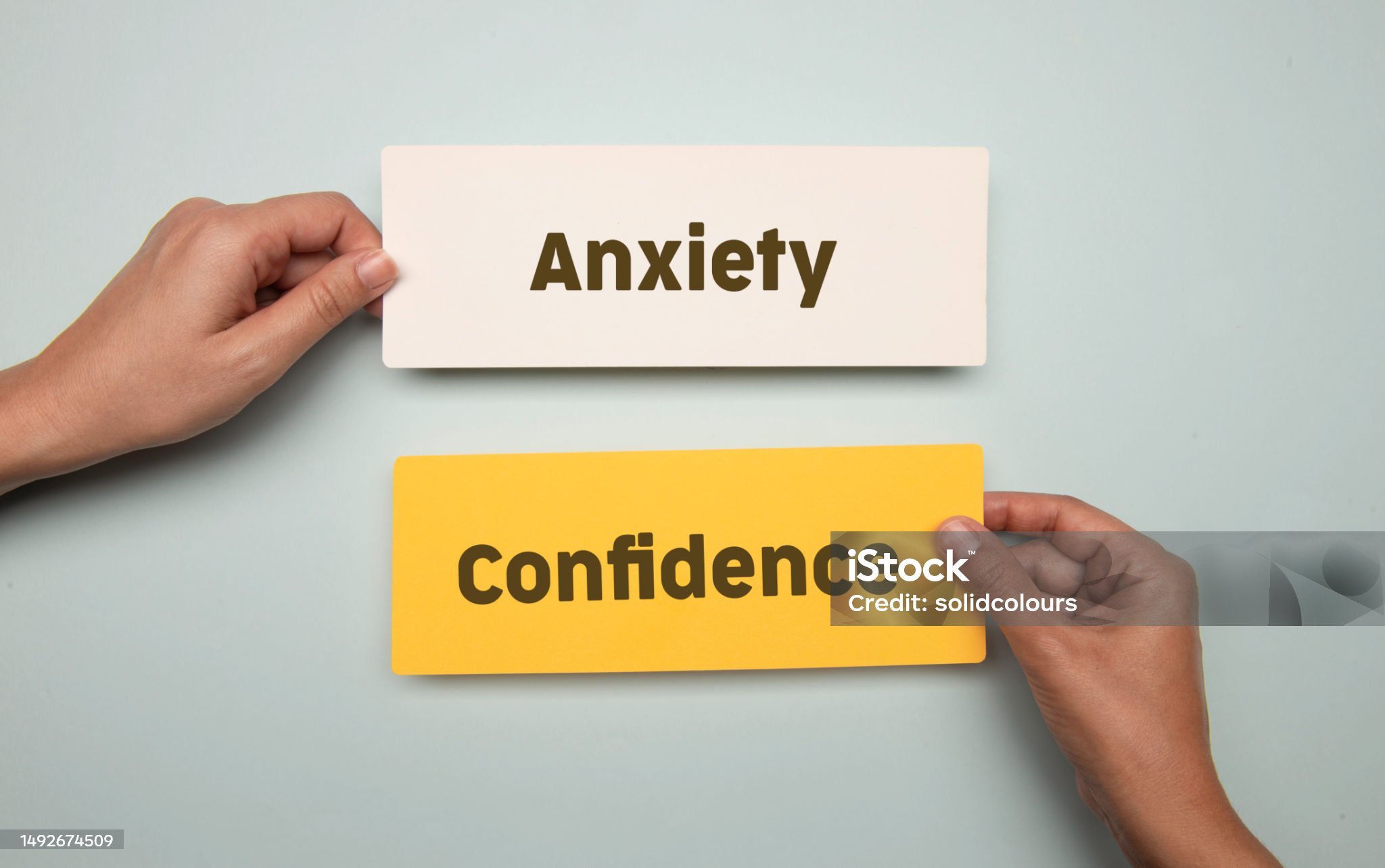
When Should You Consider Mindset Coaching?
Sometimes, understanding what you need to change is easier than actually changing it.
You may know that overthinking is exhausting, yet still find yourself repeating the same patterns. You may want to trust yourself but struggle whenever an important decision appears.
This is where mindset coaching can provide useful support.
A mindset coach can help you explore unhelpful thinking patterns, clarify personal goals, and practise more constructive ways of responding to everyday challenges.
At Sunshine Your Mindset, our focus is on supporting personal growth through practical mindset strategies and an understanding of neuroplasticity.
A Blueprint for Peace can become part of that process by helping you work towards:
- Greater awareness of your thinking habits.
- Healthier responses to uncertainty.
- More confidence in your decisions.
- Stronger self-trust and personal boundaries.
- Consistent habits that support emotional wellbeing.
- A more balanced approach to personal and professional challenges.
You do not need to wait until you feel completely overwhelmed before seeking support.
If anxiety is persistent, overwhelming, or interfering with your daily life, speaking with a qualified mental health professional can also be an important step. Mindset coaching is not a replacement for mental health treatment.
Frequently Asked Questions About Blueprint for Peace
1. What does Blueprint for Peace mean?
A Blueprint for Peace is a personal guide to developing a calmer and healthier mindset. It involves recognising unhelpful thought patterns, building self-trust, practising supportive habits, and learning to respond to uncertainty more constructively.
2. How can I stop worrying about the future?
Start by identifying what is within your control. Focus on practical actions you can take today, challenge worst-case assumptions, and avoid repeatedly trying to predict every possible outcome. If worry is interfering with your daily life, consider seeking professional support.
3. Can neuroplasticity help change negative thinking habits?
Neuroplasticity describes the brain’s ability to adapt through experience and learning. Repeatedly practising more balanced responses can help make healthier thinking habits more familiar over time.
4. How long does it take to develop a peaceful mindset?
There is no fixed timeline. It depends on your experiences, habits, circumstances, and consistency. Small changes practised regularly can gradually support a healthier relationship with uncertainty.
5. Is accepting uncertainty the same as giving up?
No. Acceptance means recognising what you cannot control while continuing to take responsibility for the actions you can influence. You can have goals, make plans, and work towards a better future without demanding complete certainty.
6. Can mindset coaching help with overthinking?
Mindset coaching can help you recognise unhelpful thought patterns, clarify your goals, and practise healthier responses. However, it is not a substitute for therapy or professional treatment when anxiety requires clinical care.
7. What is the first step towards creating a Blueprint for Peace?
Begin by noticing when your thoughts move towards the future and identifying what is actually within your control. Choose one small action you can take today, and practise returning your attention to the present.
Conclusion: Your Peace Begins With the Way You Think Today
You do not have to know exactly how your future will unfold to begin living with greater confidence.
There will always be unanswered questions, unexpected changes, and moments when you wish you had more control. But you can learn to approach those moments differently.
Your Blueprint for Peace begins when you stop treating every uncertain possibility as an immediate problem.
It grows when you choose self-trust over constant reassurance, balanced thinking over worst-case assumptions, and meaningful action over endless worry.
Remember, you are not required to figure out your entire life today. You only need to take the next helpful step.
Through consistent habits, self-compassion, and practical neuroplasticity-based mindset strategies, you can gradually create a healthier relationship with your thoughts and the future.
A Blueprint for Peace is not a promise that life will never challenge you. It is a reminder that you can develop the skills to meet those challenges with greater awareness and confidence.
You deserve to experience the life you are living now, not just worry about the life that may come later.
Start Building a Healthier Mindset With Sunshine Your Mindset
Ready to move beyond overthinking and develop a more confident, peaceful approach to life?
Explore mindset coaching with Sunshine Your Mindset and begin working towards healthier thinking habits, stronger self-trust, and meaningful personal growth.
START YOUR JOURNEY TO INNER PEACE
